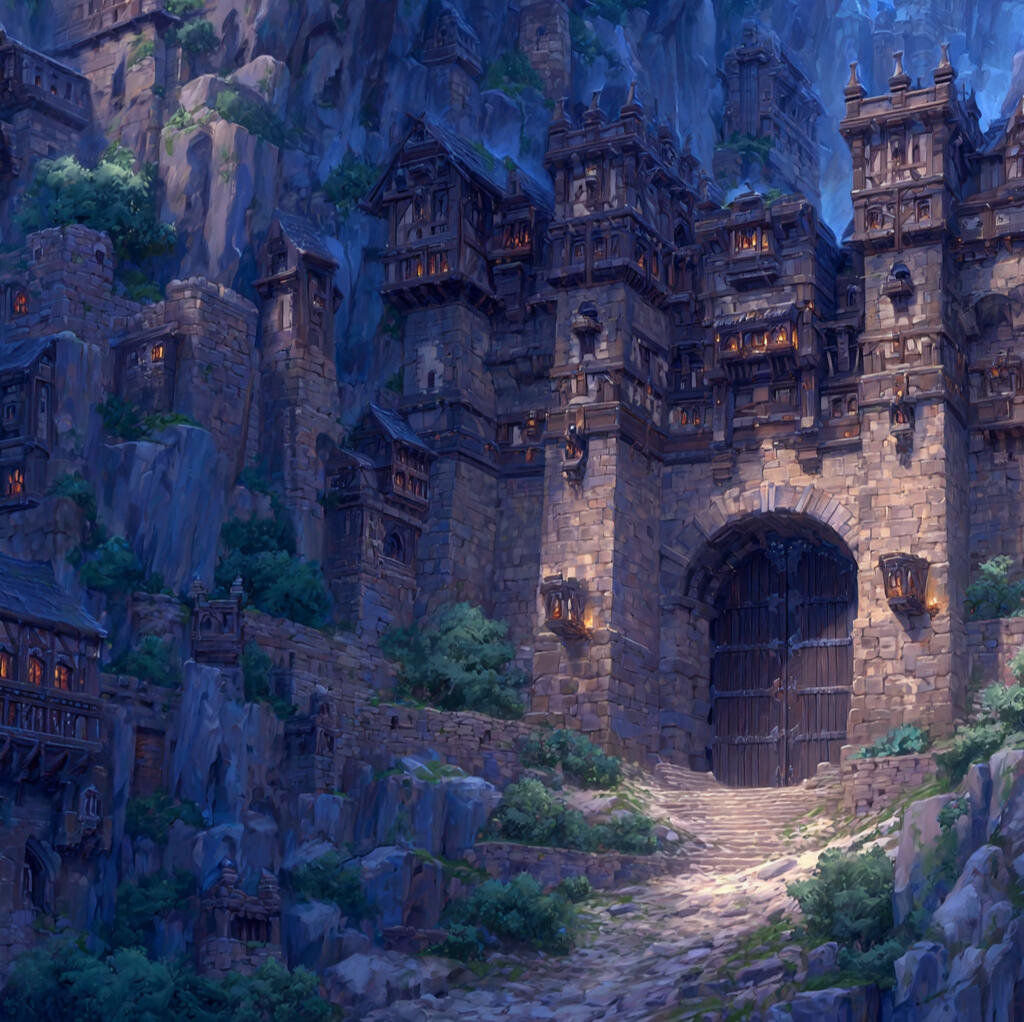
The Sundered Lands
The known world was not always divided.
Before the Sundering, there was a single, continuous land where magic flowed unevenly but freely. That changed when an unknown catastrophe fractured both land and reality itself. In its wake, the world split into distinct regions shaped not only by geography, but by how each interacts with magic.
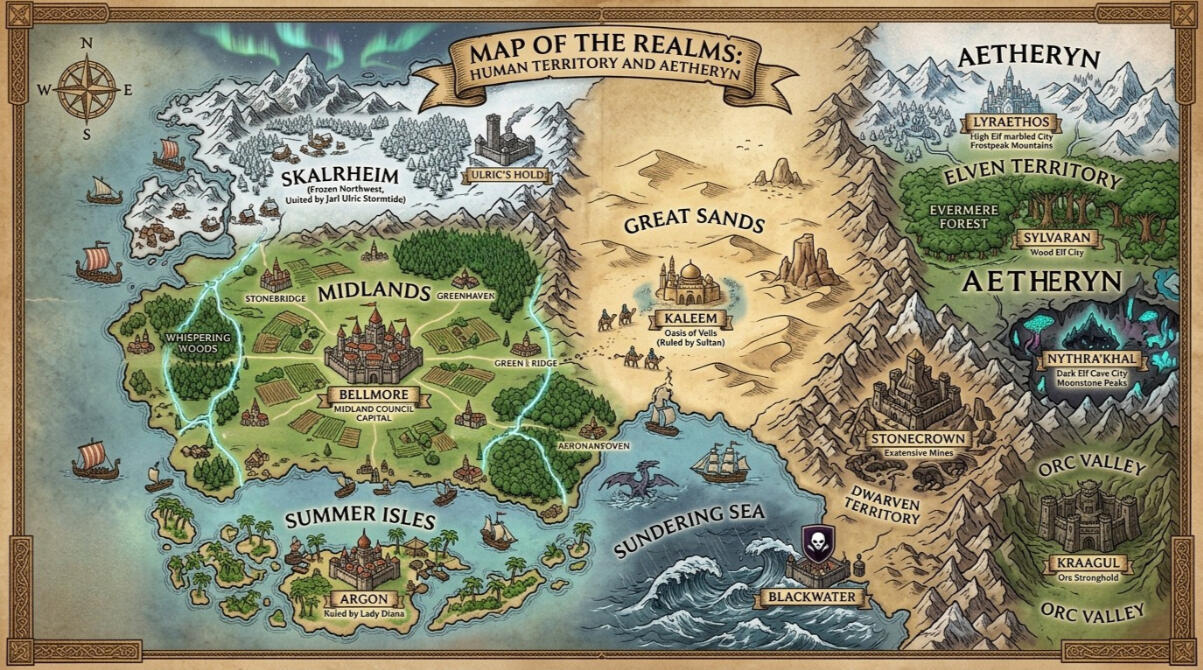
Map of the Two Realms:
Human Territory & Aetheryn
Click on each crest to learn more
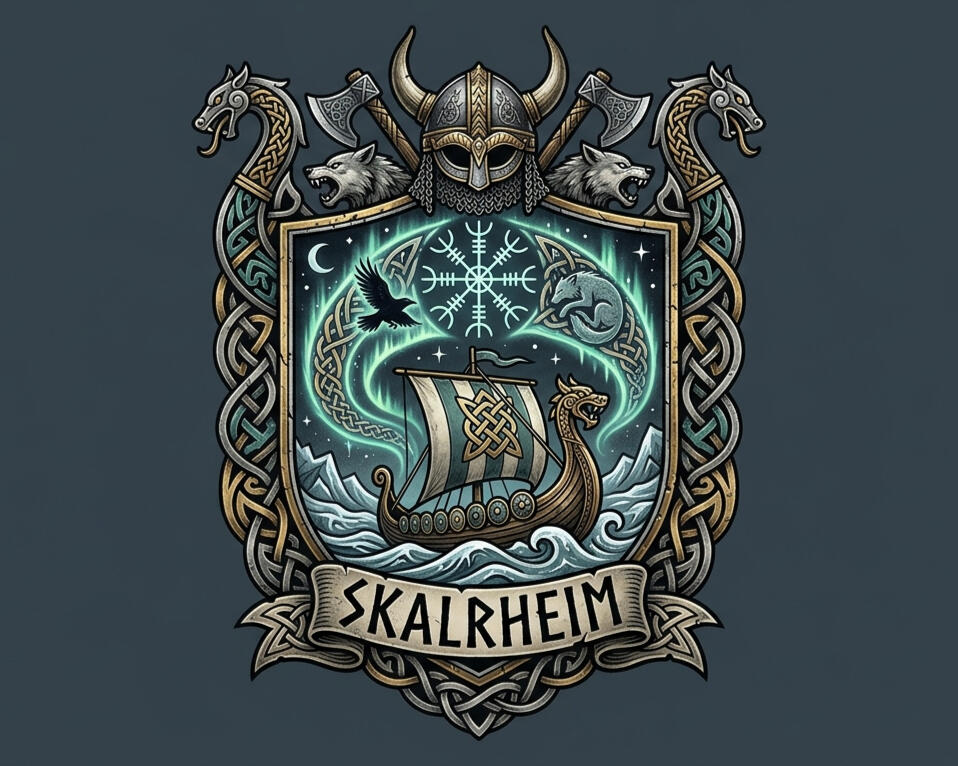
Skalrheim: A frozen northern land where the Veil is thin and people sense magic through auroras, dreams, and omens. Viking inspired, full of raiders and various clans. United by Jarl Ulric Stormtide. Most northern point of the human lands.
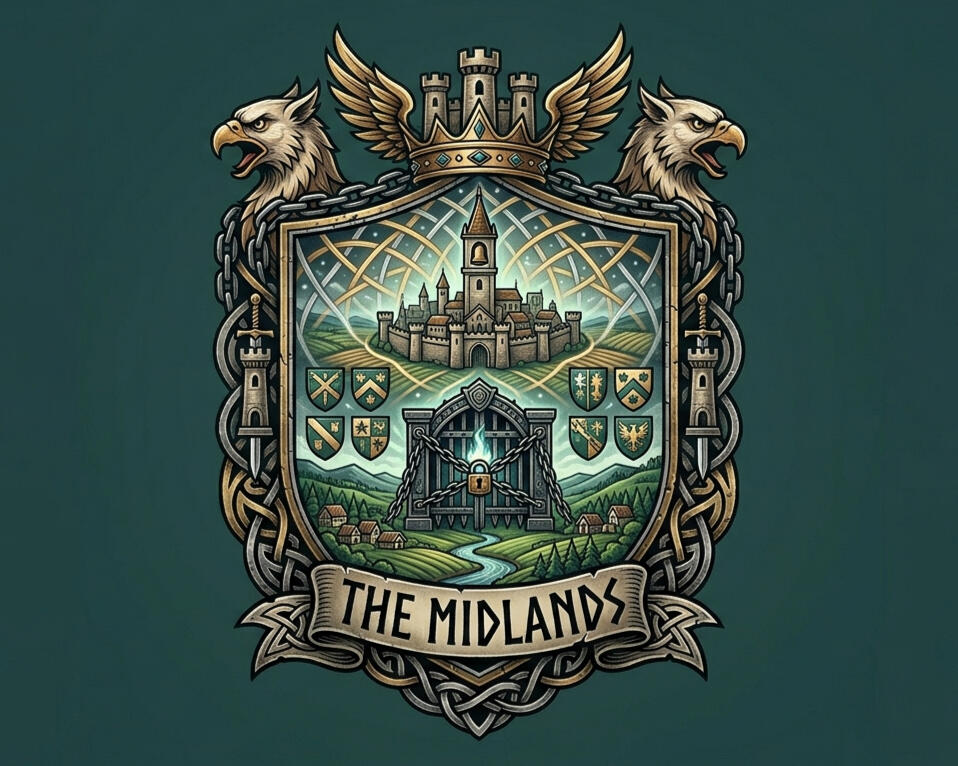
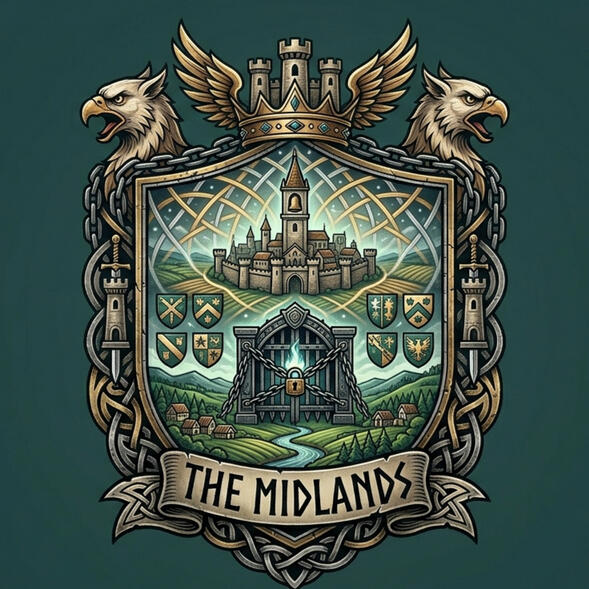
The Midlands: A politically structured human region protected by powerful wards, where magic is rare, feared, and tightly controlled. Has several smaller kingdoms ruled by various nobles, who come together on the Midland Council. Region has farmlands, forests, and various villages and towns. Biggest city is Bellmore at the center of the region.
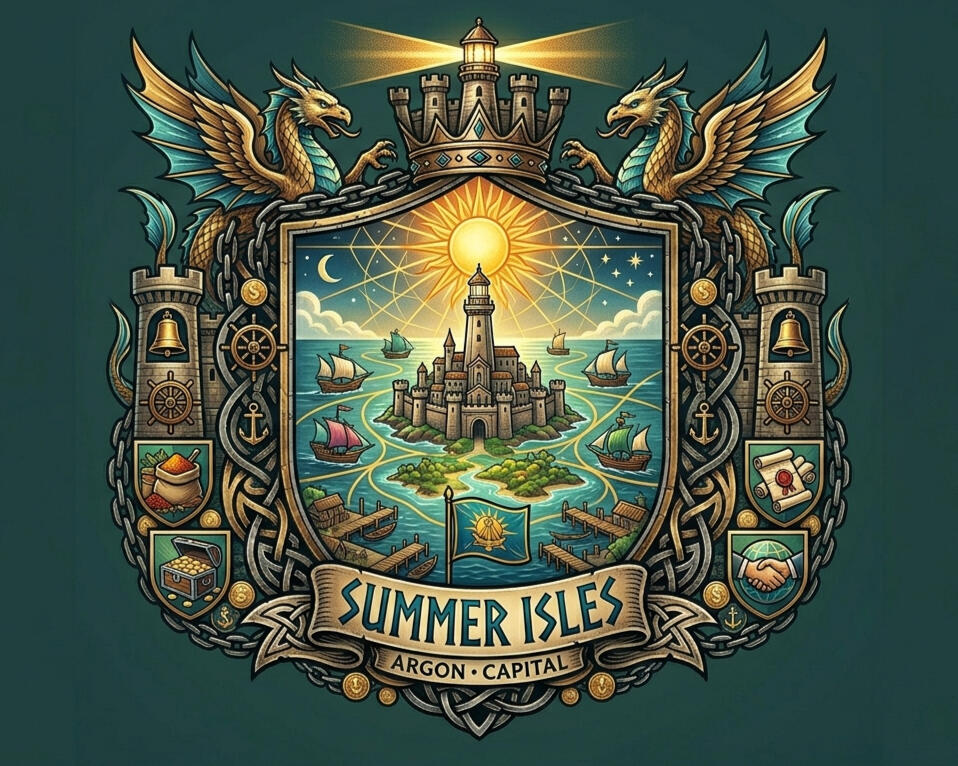
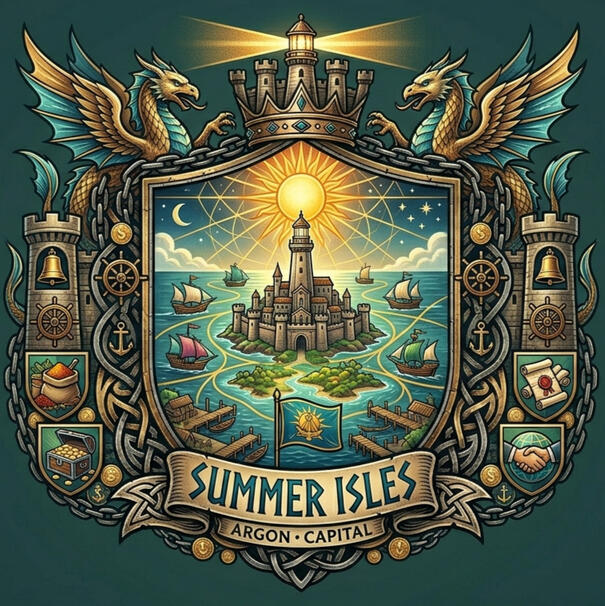
The Summer Isles A southern chain of trade-rich islands that act as a cultural and economic hub between regions.Argon is the Summer Isles Capital. A powerful port city that controls major trade routes and serves as a center of wealth, diplomacy, and information. Ruled by the warrior queen Lady Diana.
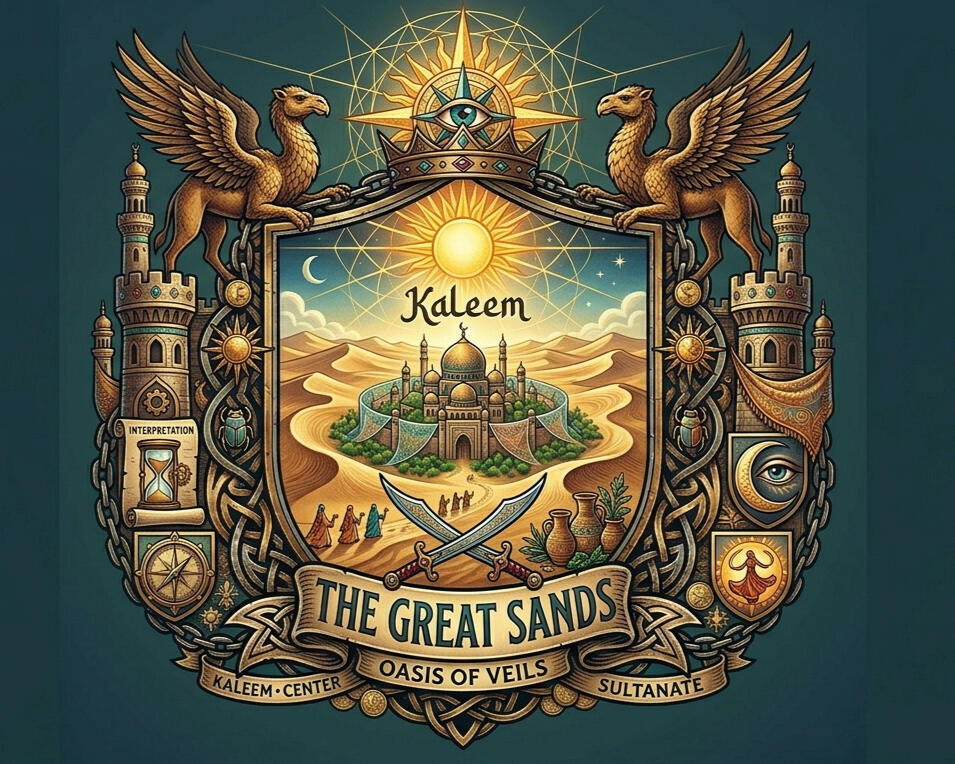
The Great Sands A vast, living desert that serves as the only stable land bridge between continents. Kaleem is the great center, known as the “Oasis of Veils. Ruled by a powerful Sultan. Home to the Ashari, a nomadic culture attuned to the desert, whose rare Sun Dancers can interpret and move through the Sands safely.
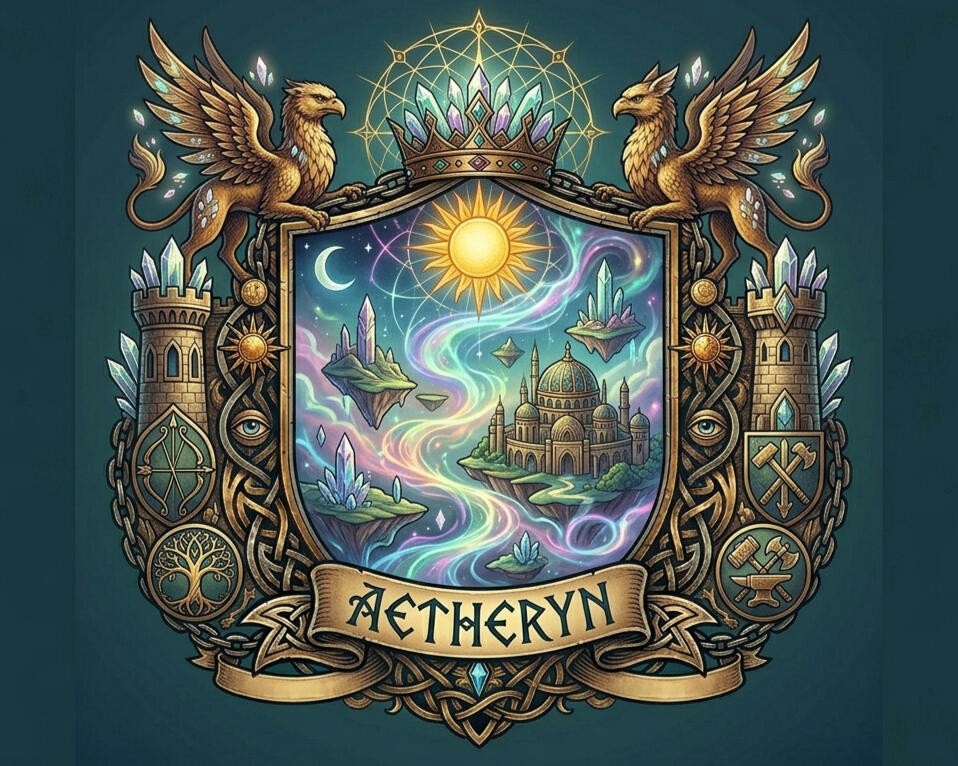
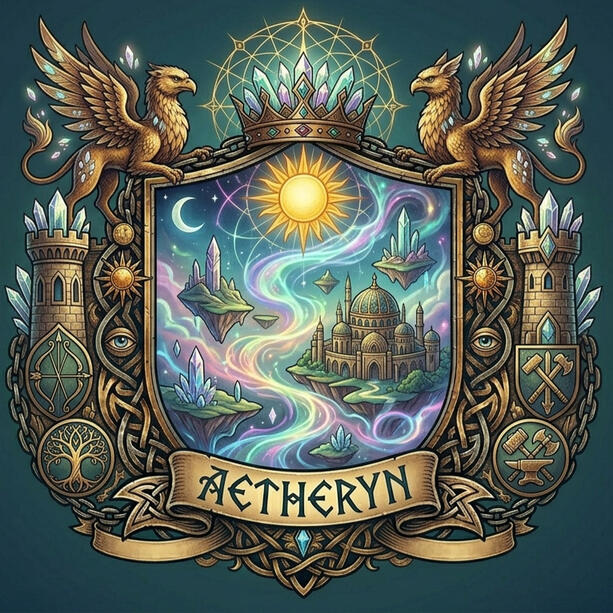
Aetheryn: A highly magical land where reality is fluid and several races live: Elves, Orcs, Dwarves.
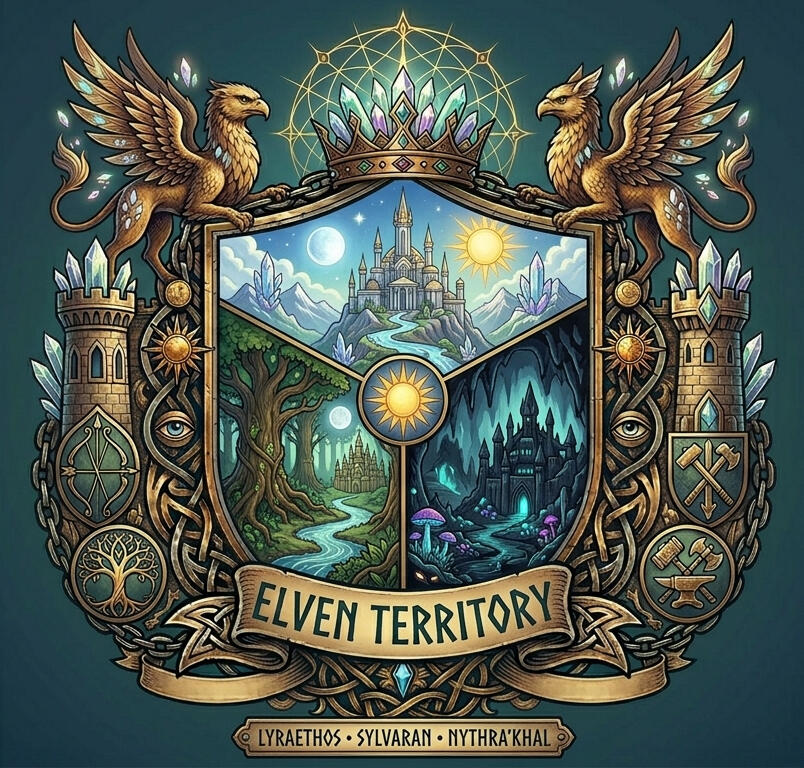
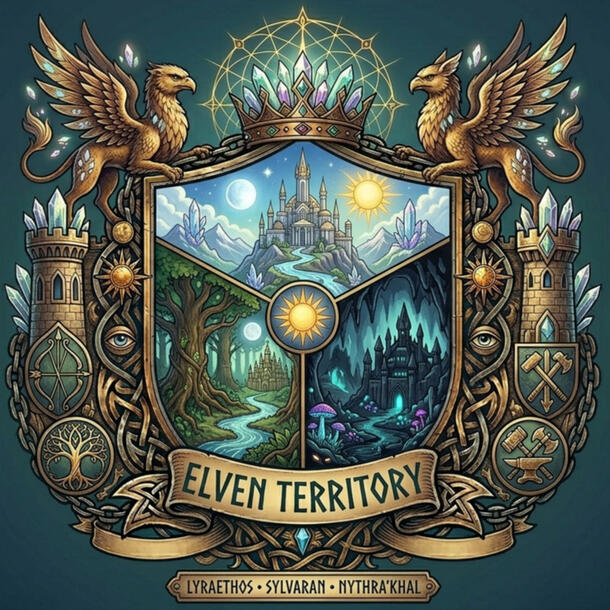
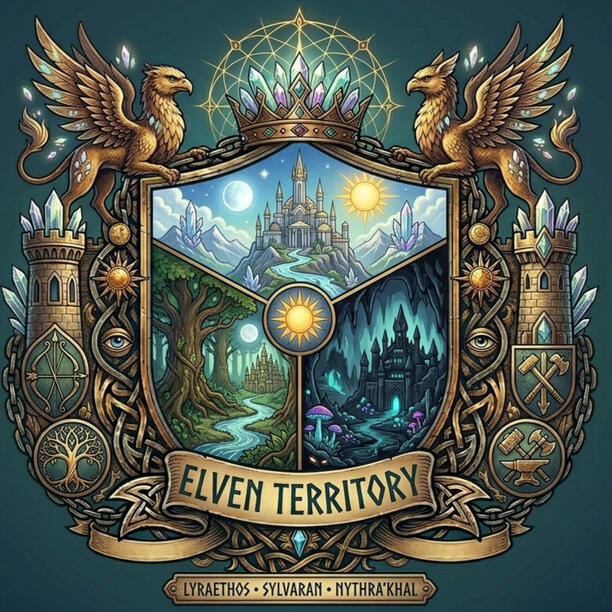
Elven Territory: Elven societies are divided into Wood, High, and Dark Elf courts. Each court has its own ruler. High elves believe they are the superior elves, followed by wood and dark. High Elves court rules from Lyraethos, a marbled city high in the airy mountains. Wood elves live in the Evermere Forrest, its main city Sylvaran. Dark elves live along the southern mountain ranges bordering Dwarven Territory, often in caves connected by tunnels. Main city is Nythra’Khal, an ancient city carved into black rock, lit by glowing fauna.
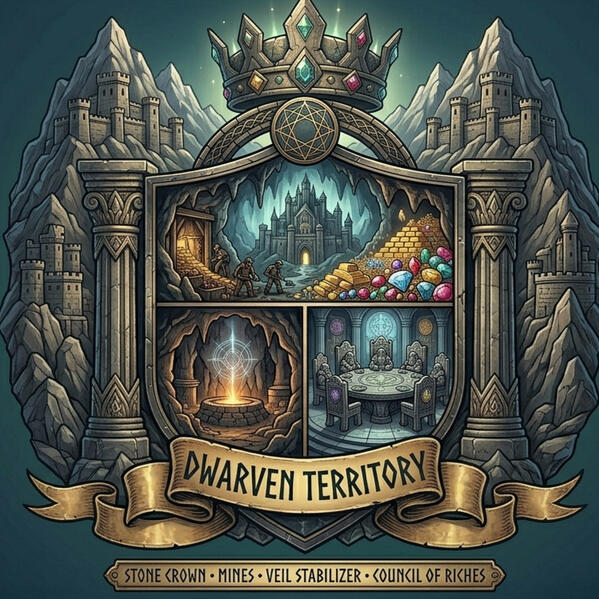
Dwarven Territory: Mountainous strongholds where dwarves shape stone and subtly stabilize the Veil beneath the world. They control the continent's extensive mines, full of gold and jewels, making them the richest of the races. The Dwarves do not have a single ruler, but have a council made up of the richest families in the region. The Capitol is Stonecrown.
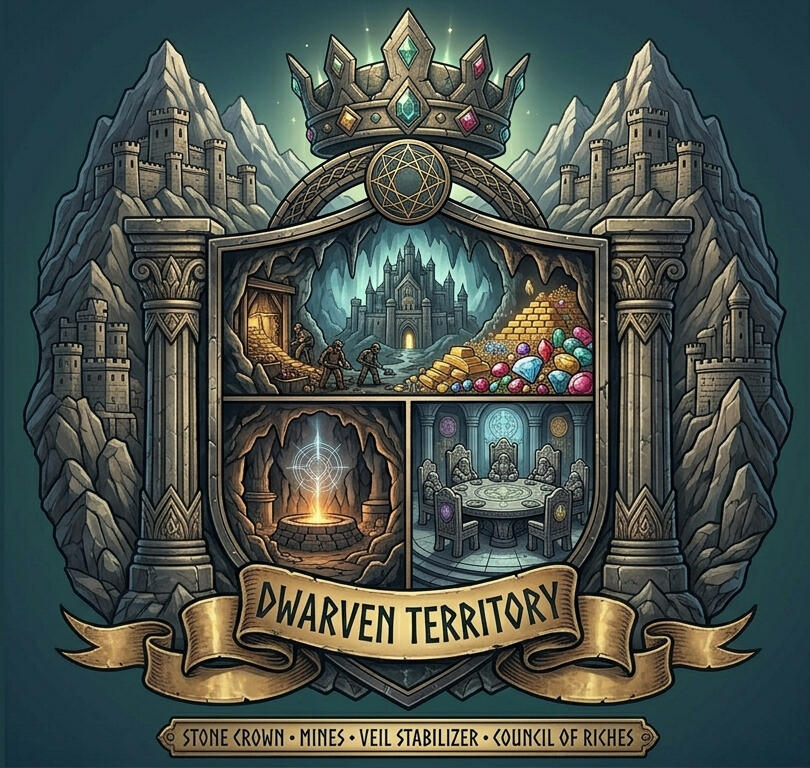
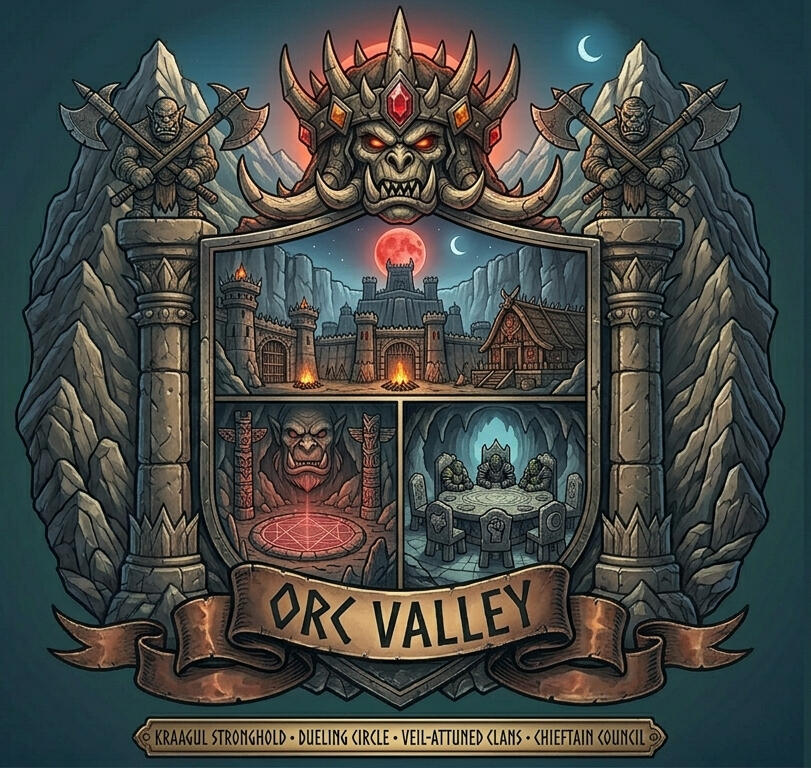
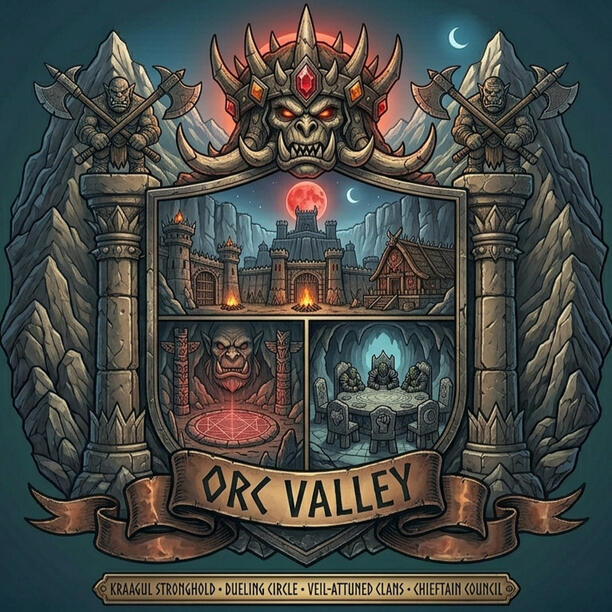
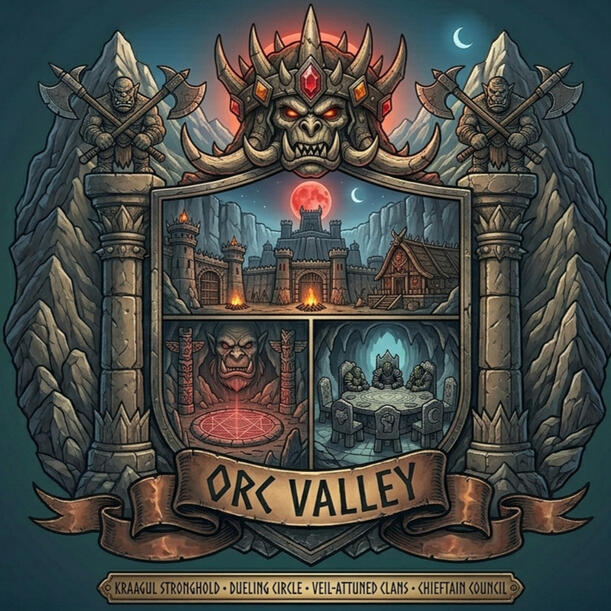
Orc Valley: A secluded mountain valley of clan-based orcs centered around a single Stronghold, living in mutual respect with nearby dwarves. Kraagul is the Orc stronghold. A massive fortress carved into the valley walls that serves as the cultural and political heart of orc society. Rules by the bloodthirsty Orc Chief, a position that changes often due to frequent duels.
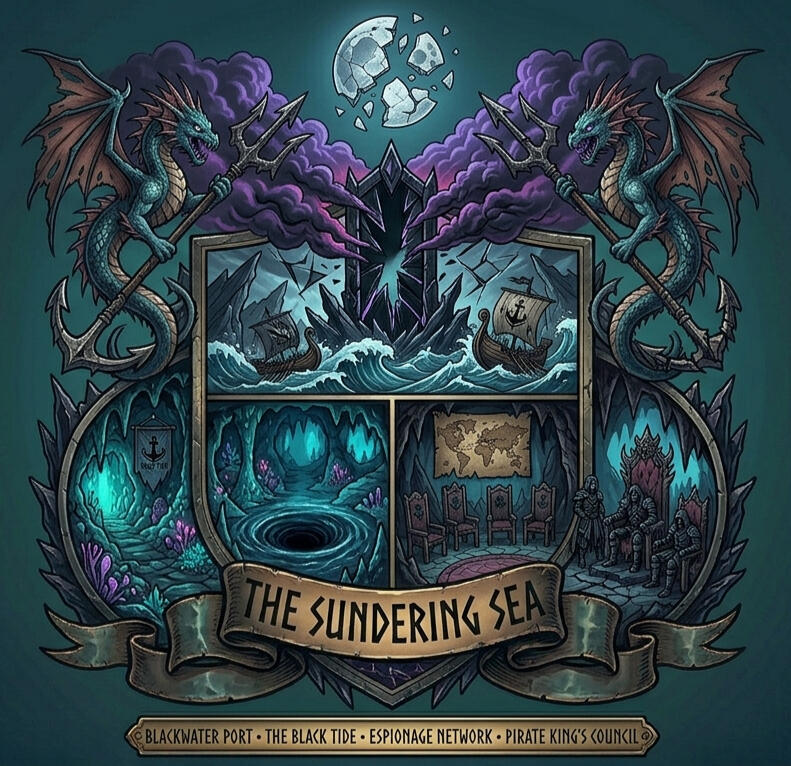
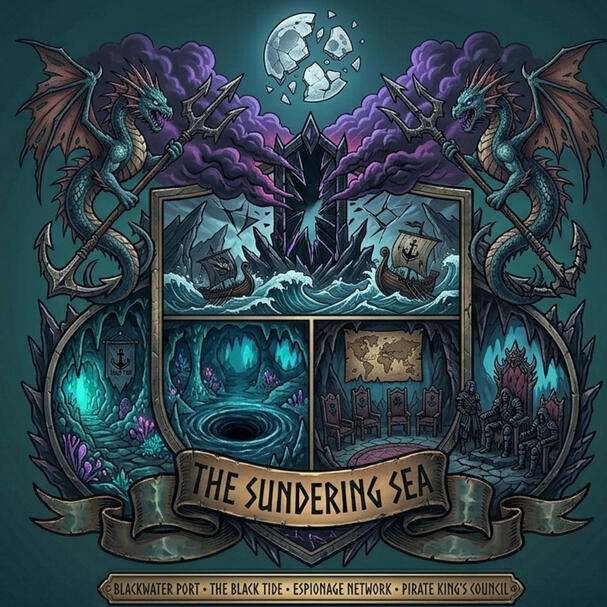
The Sundering Sea: A violent, unstable ocean near the southeastern coasts where storms and fractured reality make travel dangerous. Blackwater is the most notable port on the Sundering Sea. Home of The Black Tide, an assassin-like group controlling trade, espionage, and cross-continental movement. Ran by the elusive “Pirate King”.
The Sundered World
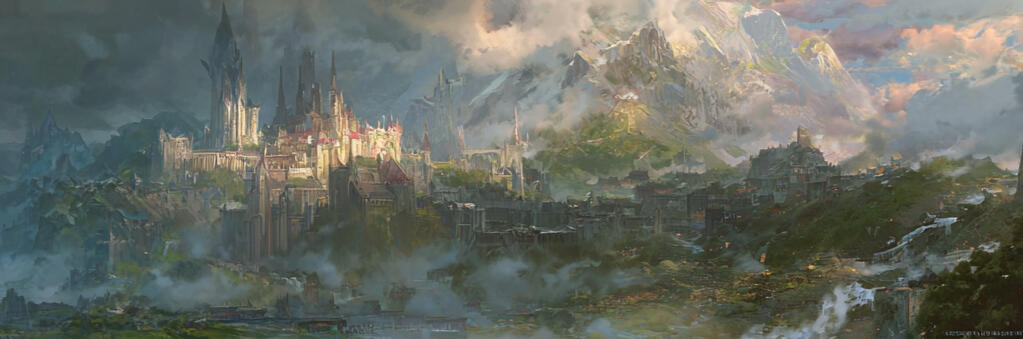
Before
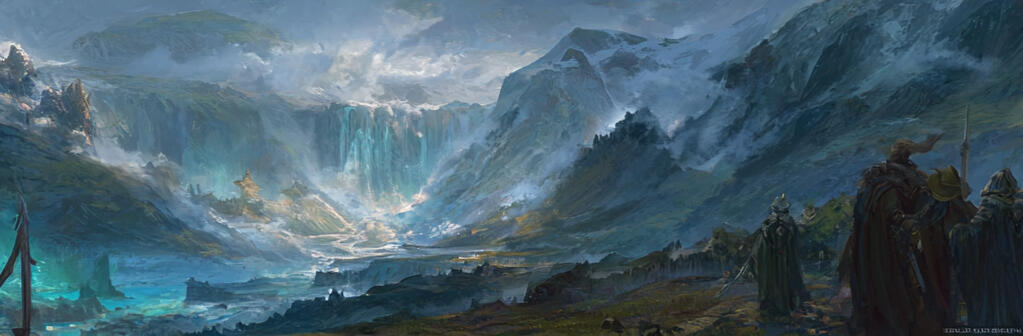
The history of the world is often summarized in three distinct periods, the first being "Before the Sundering". Before the Sundering, there was a single, continuous land where magic flowed unevenly but freely. This is what is known as "The Veil". Ancient texts say that the races were intermingled and lived together in harmony, no one race above another, and each had access to the Veil and all its abilities.
The Sundering
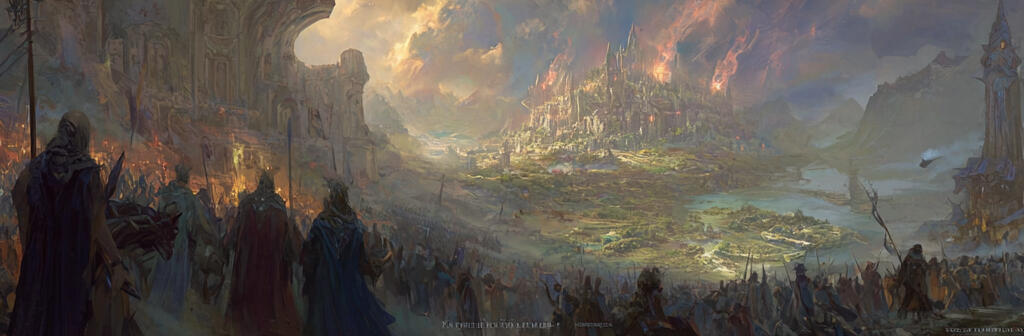
But that all changed during an ancient cosmic event now known as "The Sundering". No one knows what happened, scholars and historians alike debate on this, but the only certainty was the aftermath: that it fractured the world with magic. Some believe it was the old gods smiting humans and robbing them of their innate magic abilities, instead favoring the fae races who had stronger ties to the gods of old. Others say a great comet landed in the ocean, in what is now known as The Sundered Sea, fracturing the Veil and causing instability throughout the lands. Centuries later, this event has shaped how the races live and interact with each other. The world is split into distinct regions shaped not only by geography, but by how each interacts with magic.
After
Centuries later, this event has shaped how the races live and interact with each other. The world is split into distinct regions shaped not only by geography, but by how each interacts with magic and The Veil itself.
The North has a thin Veil, where magic can be felt and occasionally seen
The Midlands are heavily warded to reinforce stability
The Great Sands acts as a stabilizing pressure zone
The Sundering Sea remains dangerously unstable
Aetheryn exists in a state of high magical permeability
What is The Veil?
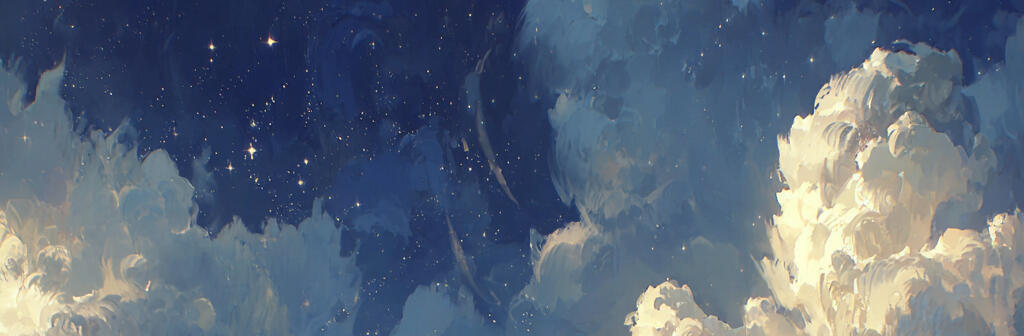
The Veil is the unseen boundary between stable reality and whatever lies beyond it. It is not a separate realm, but a layered condition of existence. In some places, the Veil is thick and stable. In others, it is thin, allowing strange phenomena, heightened magic, and contact with unknown entities. In rare locations, it is fractured. It often appears as northern lights, bright odd colored stars, shifts in reality, or mists on the ocean.
“When the sky burns green, the wise lower their voices.”
Skalrheim
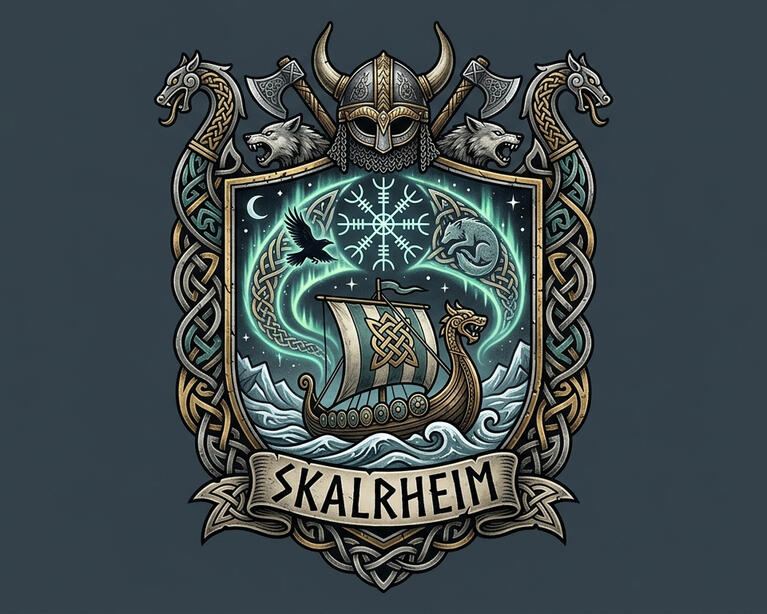
A harsh, frozen region of fjords, mountains, and long winters. The Veil is thin here, and its presence is felt in subtle but constant ways.The people of the North are not traditional magic users, but they are sensitive to it. They interpret the world through signs, dreams, and natural phenomena such as the aurora, which is believed to be visible movement within the Veil itself.Their culture is rooted in survival, oral tradition, and reverence for forces they do not attempt to control.
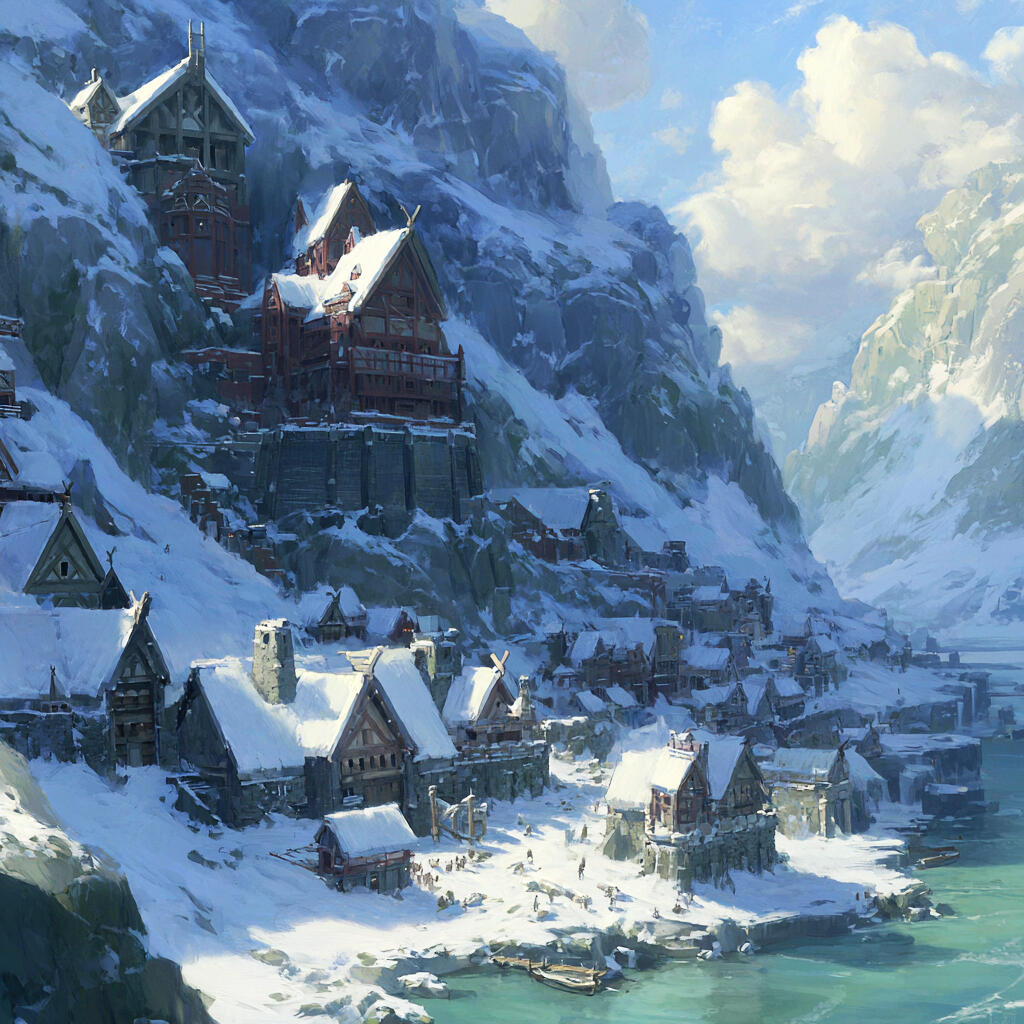
Built into the massive ribs of a coastal mountain range overlooking the Great Fjord, Skjoldur is a fortress of heavy timber and runic stone where the hearth-fires never dim and the architecture is designed to withstand the crushing weight of both the snow and the spiritual presence of the Veil.
Raiders of the Frozen Veil
Forged by jagged fjords and eternal winters, the people of the North are a seafaring warrior culture who live where the Veil is thinnest. Though they shun formal magic, they are deeply intuitive, interpreting the shifting auroras as the Veil’s own movement and seeking guidance through prophetic dreams and natural omens. Their society is built on the twin pillars of the hearth and the Longship, combining a fierce raiding tradition with an unwavering reverence for the primal forces they refuse to tame.Life in the North is a rhythmic cycle of survival, oral saga, and maritime conquest. They strike from the sea with the suddenness of a mountain gale, driven by a code of martial honor and the necessity of the hunt. To these people, the world is not something to be conquered through study, but a series of signs to be read and challenges to be weathered, where a warrior’s spirit is tested against both the freezing steel of an enemy and the haunting whispers of the thin air.
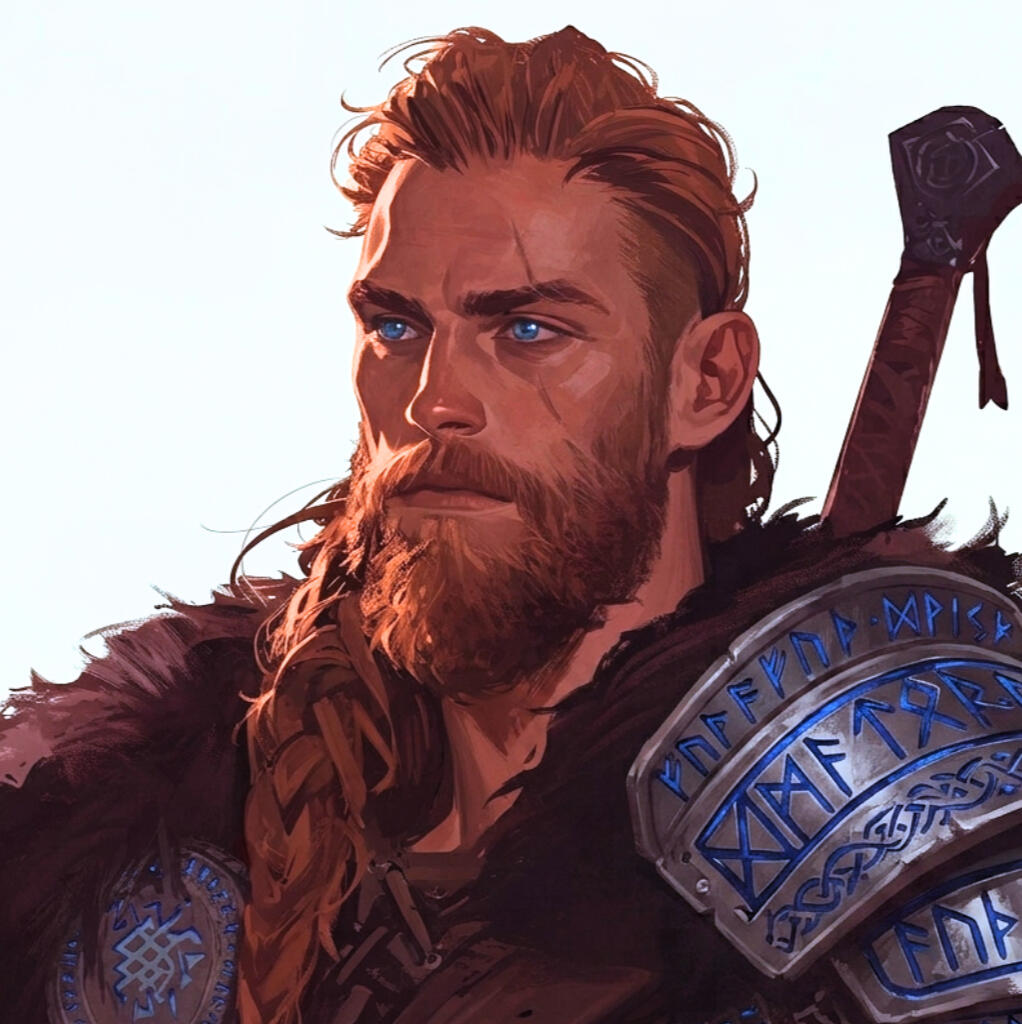
Ruler: Jarl Ulric Stormtide
“Do not trust what you cannot contain."
The Midlands
The political and population center of the human world.Humans in this region are largely non-magical and highly vulnerable to magical influence. As a result, the Midlands rely on extensive warding systems to stabilize reality and protect against external magical forces.Wards are embedded into cities, roads, fortifications, and borders. Magic is regulated, feared, or treated as something external rather than innate. Those who exhibit magical ability are rare and often treated as anomalies.The Midlands are defined by:
Kingdoms and political alliances
Trade networks
Controlled environments
A cautious, often suspicious view of magic
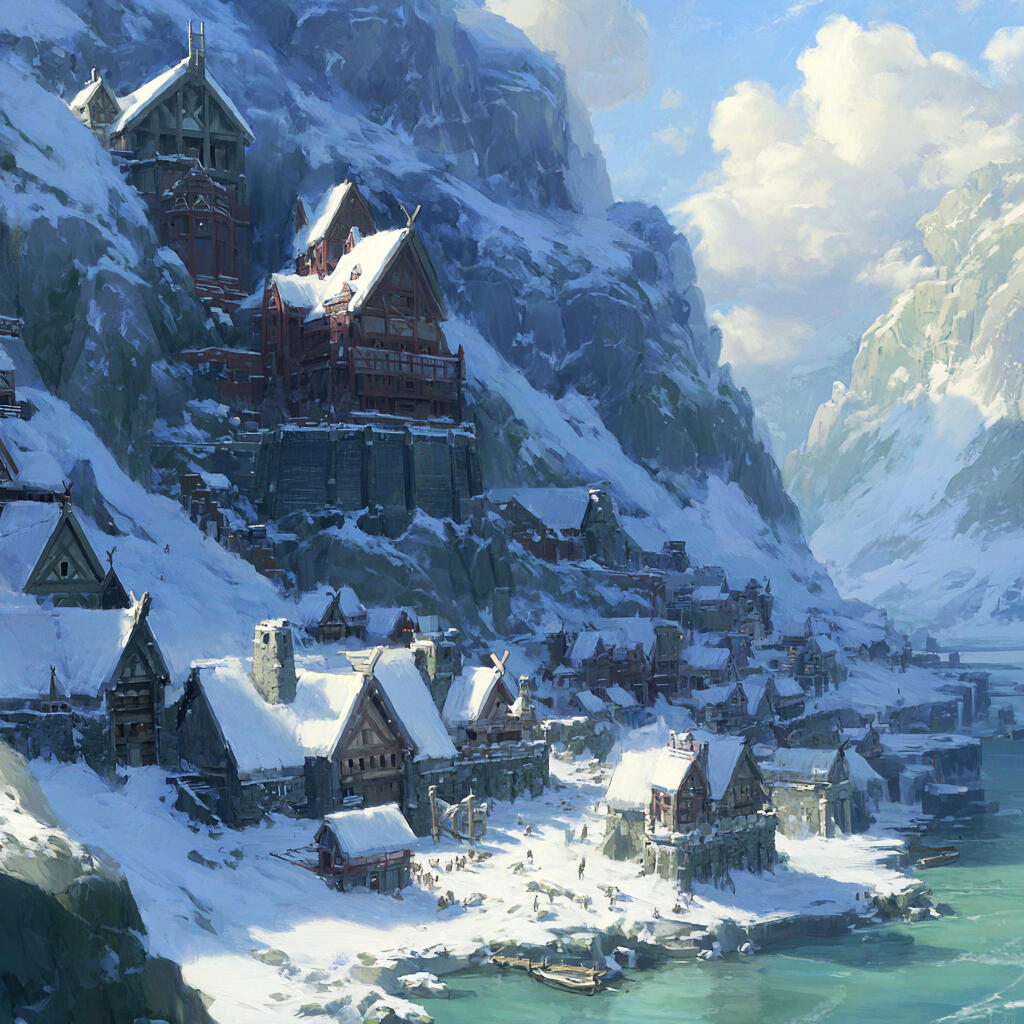
Built into the massive ribs of a coastal mountain range overlooking the Great Fjord, Skjoldur is a fortress of heavy timber and runic stone where the hearth-fires never dim and the architecture is designed to withstand the crushing weight of both the snow and the spiritual presence of the Veil.
More information
More information
“The tide favors the one already moving."
The Summer Isles
The Summer Isles maintain strong maritime networks and act as intermediaries between regions. Unlike the Midlands, they are more flexible in their approach to magic, though still largely non-magical.Argon is the capital of the Summer Isles. Argon is a major port city and one of the most important trade hubs in the known world. It is a center of commerce, diplomacy, and information flow.
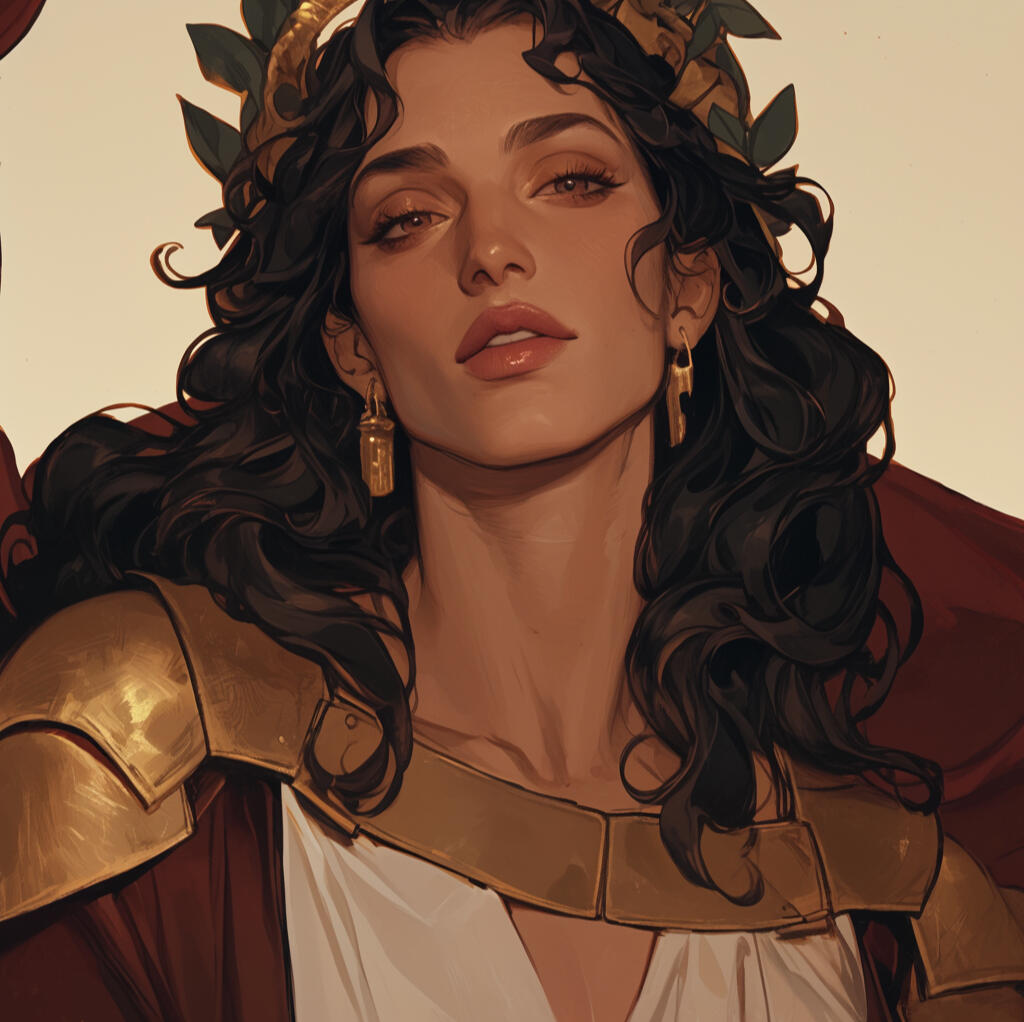
Queen Lady Diana Delos
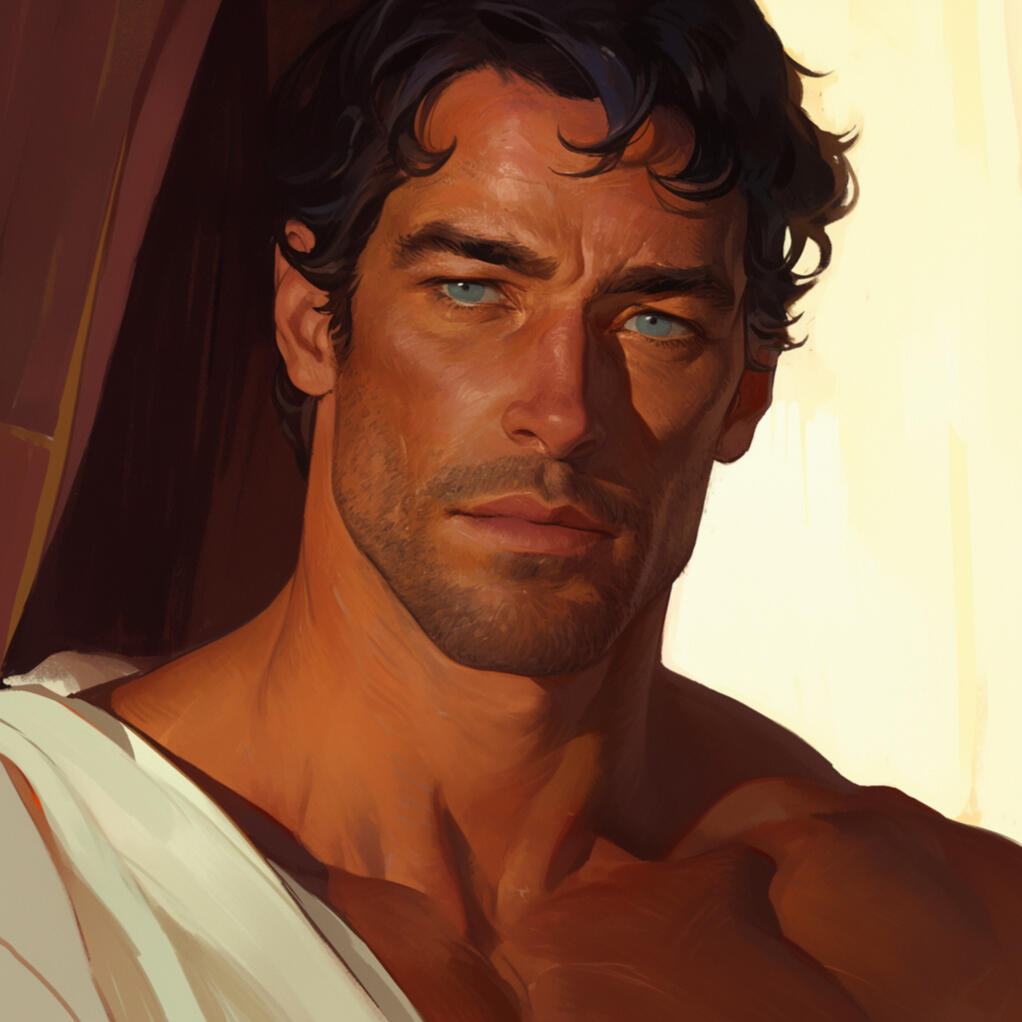
King Leandros Delos
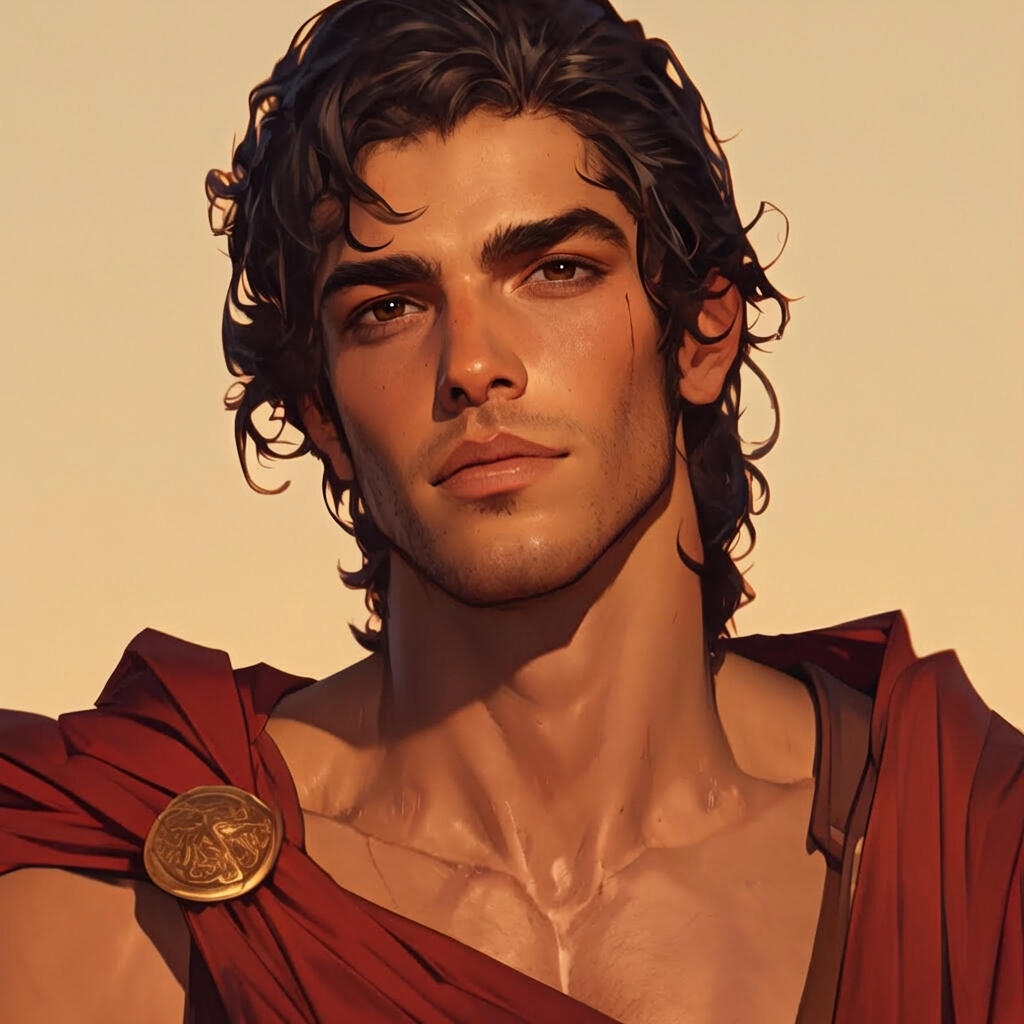
Prince Adrien Delos
Coming soon!
Prince Caelan Delos
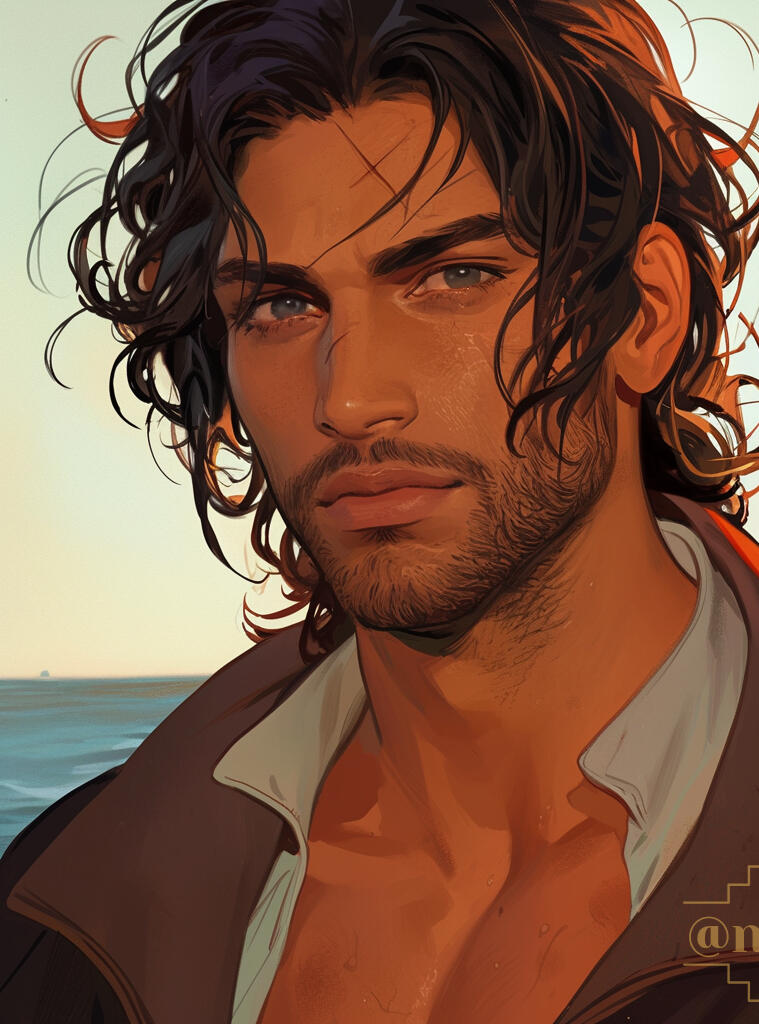
Click for Jai
Capitol of Argon
“The Veil favors those with fae blood."
aetheryn
The fae-dominated continent beyond the Great Sands. Fae includes any race that isn't human: elves, dwarves, orcs, and mythical creatures rumored to live in Aetheryn. Mythical creatures rumored to live in the fae lands are mermaids off the Sundering Sea, dragons in the northern mountains, and sprites in the Evermere Forest.Aetheryn is a land where magic is not external, but intrinsic. The environment itself responds to will, emotion, and presence. The Veil is thin, and reality is more fluid.The continent is currently fractured by internal conflict. Click on each race's crest to learn more.
“The High Elf counts the stars to own the sky; the Wood Elf listens to the roots to own the earth; the Dark Elf watches the shadow to own the truth."
ElVen Territory
Elves are not separate from the fae, but represent a structured, enduring expression of fae existence. They consider themselves the first of the fae races, and therefore the true heirs and those born to truly wild the Veil's' magic.They do not cast magic in the conventional sense. They shape it through resonance, often described as weaving or aligning with the natural world.They elves are divided into three distinct societies: High Elves, Wood Elves, Dark Elves. Each has its own region in Elven Territory, culture, beliefs, and distinct appearance. These distinctions are cultural and environmental, not biological, and the three sub-races of elves are more similar than they would care to admit.Each sub-race has its own court, held in a capitol of their lands. However, once every 100 years, a representative from each court meets on the Council of Elves, to determine the next century of fragile peace between them. This meeting alternates hosting location, but it is often tense.
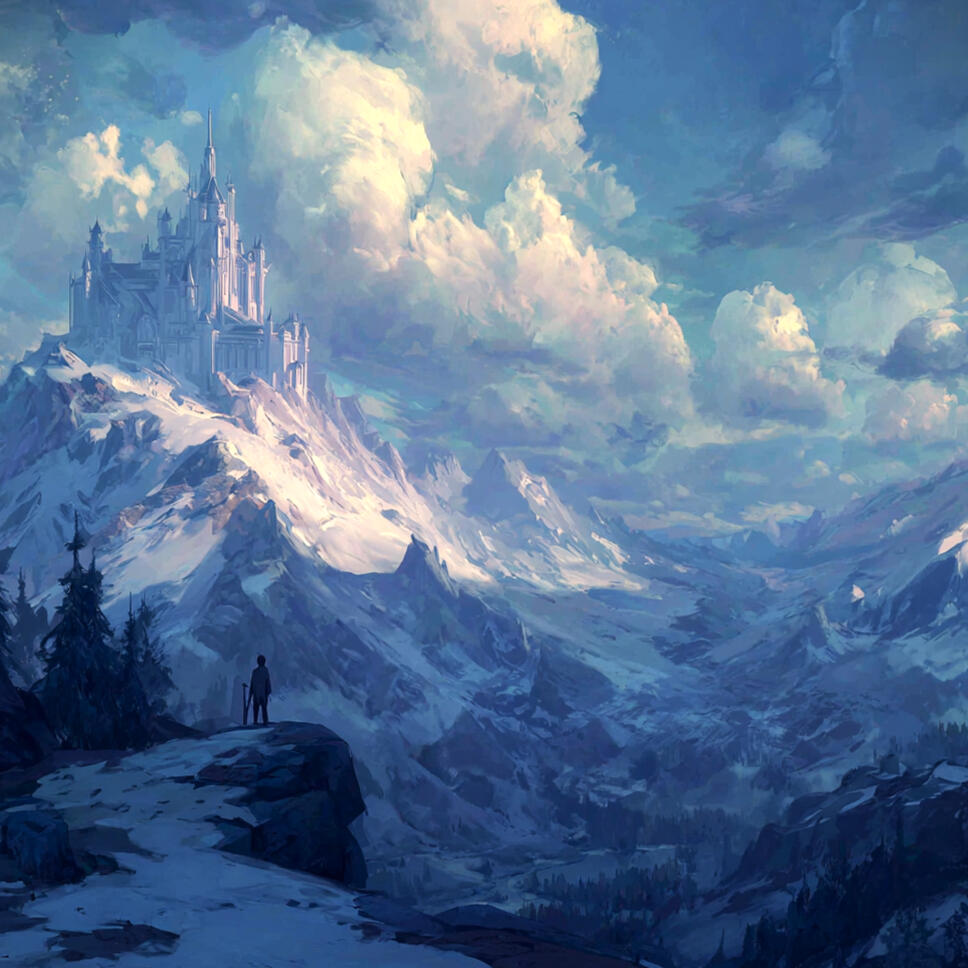
Perched atop the frozen heights of the Frostpeak Mountains, Lyraethos is a gleaming bastion of white marble and soaring crystalline spires that pierces the clouds of Aetheryn, standing as a testament to the High Elves’ absolute mastery over both magic and the elements
High Elves
High Elves are intrinsically tied to elevated, refined environments. Their cities rise from marble cliffs, sunlit terraces, and crystalline towers, designed with precision and symmetry that mirrors their worldview. Magic, to them, is not wild or instinctive, but disciplined, studied, and perfected. It manifests through structure, clarity, and control, shaped by centuries of codified knowledge and an unwavering belief in mastery over chaos.They consider themselves the only “true” elves, the purest expression of their kind, untouched by what they view as the dilution or divergence seen in other elven lineages. This belief extends outward, placing them above not only other elf races but all fae. As a result, High Elves often carry an air of quiet superiority, one that can easily tip into open disdain.Proud and often haughty, they are nonetheless deeply principled. They value tradition, lineage, and excellence, holding themselves, and others, to exacting standards. While this can make them seem cold or unapproachable, it also fosters a society of remarkable discipline, artistry, and magical sophistication.
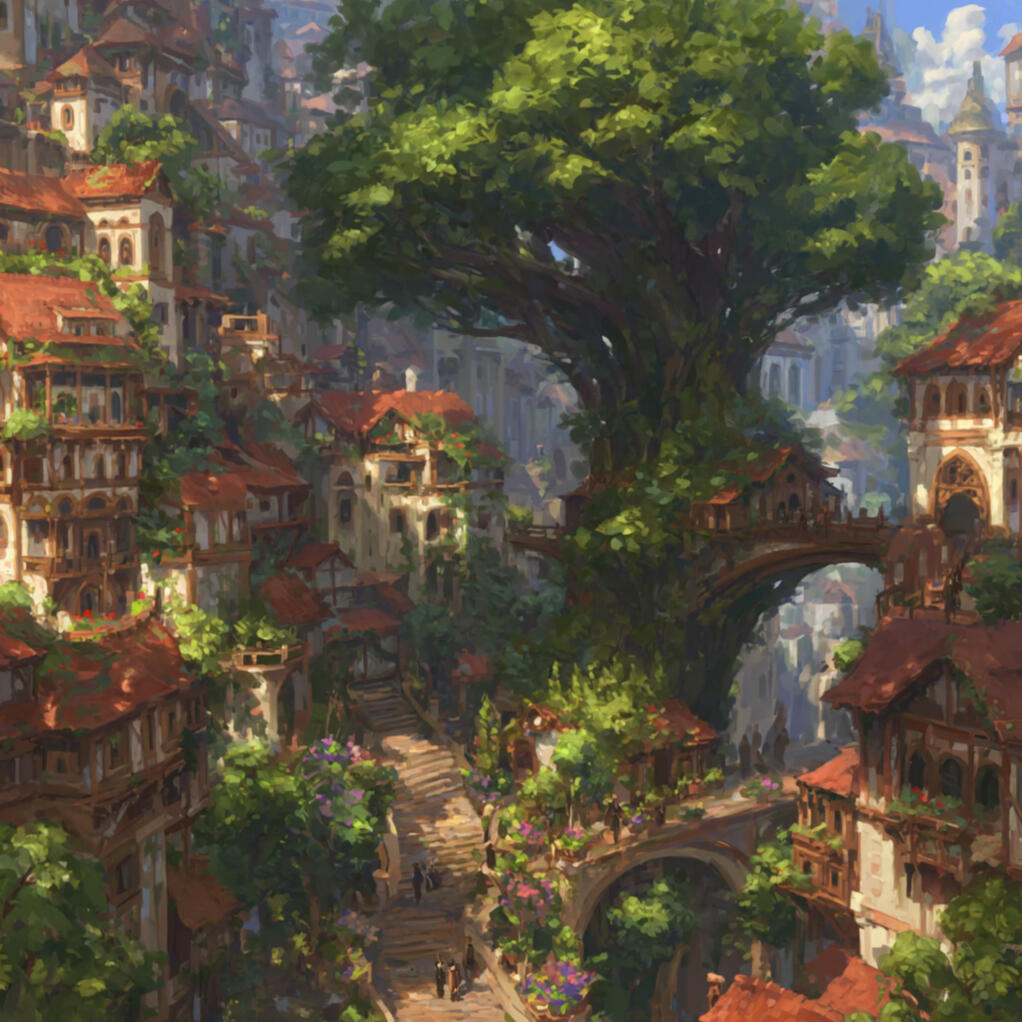
Deep within the emerald heart of the Evermere Forest, Sylvaran is a sprawling, living masterpiece of bio-mancy, where high-canopy dwellings and suspended sky-bridges are woven directly into the ancient boughs to form a city that breathes in perfect rhythm with the woods.
Wood Elves
Wood Elves are the living extensions of the world’s untamed ecosystems, existing in a state of perpetual harmony with the natural world. Their settlements are grown rather than built, coaxed from the earth through communal song and bio-mancy to create vertical cities of living willow and ancient bark. To a Wood Elf, magic is not a formula but an intuitive dialogue—a rhythmic flow of power tied to the cycles of growth, animal instinct, and the shifting terrain. They do not seek to dominate nature, but to act as its sapience, weaving their lives into the forest until the boundary between inhabitant and habitat vanishes.They view the rigid structures of "civilization" as stagnant cages, preferring the fluid pragmatism of the Great Cycle over written laws or stone walls. While they lack the haughty posturing of their high-born cousins, they possess a dangerous, feral conviction: a belief that those who live behind walls have lost their souls to a marble coffin. Guided by "Blood-Memory" and oral tradition, they operate as the "unseen blade" of the brush, holding themselves to the uncompromising laws of the wild. To them, the only true measure of worth is one's ability to listen to the wind and maintain the balance of the Green.
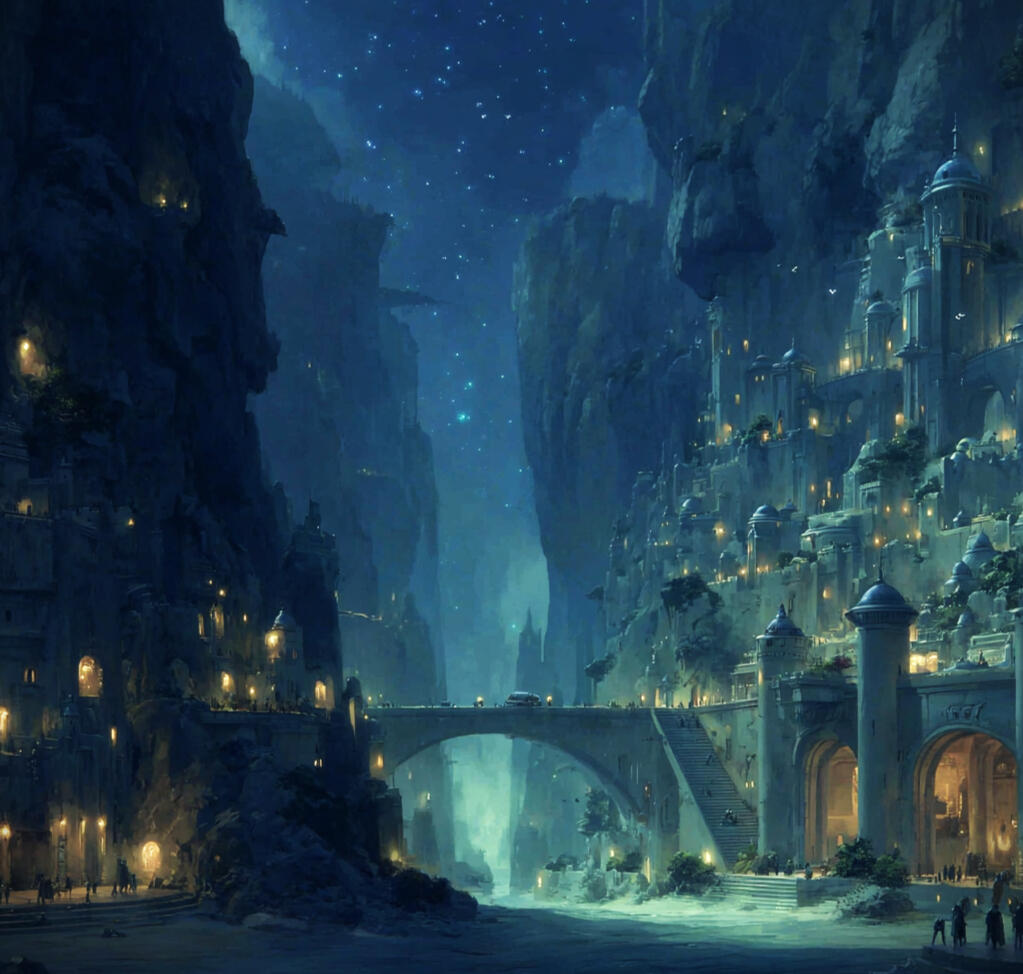
Deep within the lightless southern reaches, Nythra’Khal is an ancient stronghold carved directly into the heart of monolithic black rock, where the darkness is pierced only by the ethereal, bioluminescent glow of rare subterranean fauna that paints the city in hues of violet and cold neon.
Dark Elves
The Dark Elves are the estranged exiles of Aetheryn, cast into the shadowed canyons and subterranean reaches of the south where the land itself feels thin and unstable. Driven by a deep-seated resentment toward their "surface" kin, they have long been embittered by the High Elves’ exclusion and the Wood Elves’ indifference, finding themselves begrudgingly lumped into the same category as the Orcs and Dwarves with whom they share the rugged southern territories. Their society is one of guarded necessity and sharp intellect, forged in environments where light is a luxury and survival demands a cold, calculating pragmatism.Magic, for the Dark Elf, is an art of the unseen—a mastery over perception, shadow, and the liminal spaces near the Veil. Unlike the structured formulas of the North or the rhythmic growth of the Green, their power is subtle and subversive, designed to shroud, deceive, or manipulate the very fabric of reality. They view the world through the lens of the "Great Distortion," believing that the truth of existence is found not in the sunlit peaks, but in the depths where the light fails and the Veil whispers. This connection to the shadow makes them peerless infiltrators and masters of psychic fortitude, though it often leaves them marked by an aura of "otherness" that unnerves those from the brighter reaches of the world.
“The High Elf counts the stars to own the sky; the Wood Elf listens to the roots to own the earth; the Dark Elf watches the shadow to own the truth."
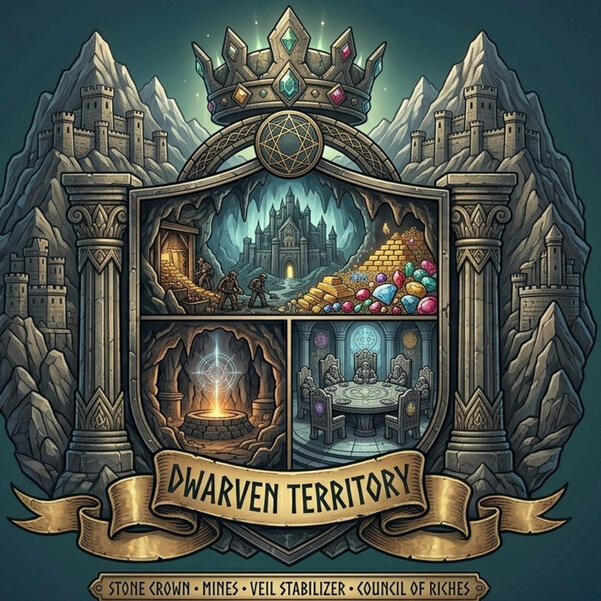
Dwaven Territory
The Dwarves of Aetheryn inhabit the massive, jagged mountain ranges of the southwest, where they have carved out an empire of stone and iron. As the primary architects of the subterranean world, they possess an unmatched understanding of the earth’s structure. Their society is not governed by a single throne, but by a powerful council representing the wealthiest and most influential merchant families. To a Dwarf, gold and gemstones are more than just riches; they are the literal fruit of the earth, and the control of these resources has made them the wealthiest race in the world. Their capital, Stonecrown, is a marvel of engineering that descends deep into the crust, serving as a hub of commerce and high-end craftsmanship.While the Elves focus on the fluid magic of the surface, the Dwarves focus on the physical stability of the world below. They are master smiths and engineers, known for creating artifacts that are remarkably resistant to the warping effects of the Veil. Dwarven culture places a high premium on lineage, craftsmanship, and the preservation of history. They view the world as something to be built, maintained, and reinforced. This practical mindset often puts them at odds with the more "airy" philosophies of the Elves, whom they view as flighty and impractical. To a Dwarf, a well-placed stone and a sturdy support beam are more reliable than any spell.
“The High Elf counts the stars to own the sky; the Wood Elf listens to the roots to own the earth; the Dark Elf watches the shadow to own the truth."
Orc Valley
Secluded within the high, rugged valleys of the southeast, Orc society is built on a foundation of clan loyalty and martial prowess. Their home is the Stronghold of Kraagul, an imposing fortress hewn directly into the mountain rock that overlooks the entire valley. Unlike the highly structured nobility of the Midlands or the courtly politics of the Elves, Orcish culture is meritocratic and centered on the strength of the individual and the survival of the clan. The position of Orc Chief is the highest honor a warrior can achieve, though it is a title that must be constantly defended. Frequent duels are a common part of their political life, ensuring that only the most capable and respected lead the people.Despite their reputation among humans as being merely "bloodthirsty," the Orcs of Aetheryn are a deeply disciplined people with a complex code of honor. They live in a harsh environment where the Veil can be unpredictable, leading them to develop a natural, rugged resilience to magical influence. They are not interested in the "weaving" of the Elves; instead, they rely on their instincts and physical dominance to navigate the world. Their society values tradition, ancestral bravery, and the defense of their territory. While they remain largely isolated from the shifting politics of the Fae continent, their military strength makes them a power that no other race dares to ignore.The relationship between the Dwarves and the Orcs is one of the oldest and most stable alliances in Aetheryn. This "Mutual Respect" is born from a shared love of the mountains and a common-sense approach to the world. They have established clear boundaries that have prevented conflict for generations: the Dwarves rule the deep dark of the mines, while the Orcs control the high passes and the fertile valley floors.This partnership is highly practical. The Dwarves provide the Orcs with superior steel weaponry and sturdy masonry, while the Orcs serve as a formidable buffer against any threats that might try to reach the Dwarven mountain gates from the surface. While they do not share a government, they share a lifestyle—one of hard work, physical endurance, and a healthy skepticism of the "finer" magics of the Elven courts. In a world fractured by the Sundering, the alliance between Stonecrown and Kraagul remains one of the few constants.